

Many children struggle with low self-esteem, which can lead to mental health challenges later in life. The good news is, there are simple, everyday ways parents can help build a child’s confidence as they grown. By nurturing self-esteem from a young age, we teach our children to believe in themselves and develop a healthy sense of self-worth that lasts for a lifetime. Read on for practical, meaningful self-esteem activities for kids that you can start today.
Why Is Self-Esteem Important for Kids?
Self-esteem is a child’s overall sense of worth and how they view themselves. When self-esteem is low, children may feel unsuccessful, avoid trying new things, or struggle with sadness, loneliness, and have fears about the future.
Building strong self-esteem early helps children grow into happy, confident, kind, and resilient individuals—both now and throughout their lives.
How to Build Confidence in Kids
As parents, we play a major role in shaping our children’s self-esteem. Showing them unconditional love, praising their efforts rather than outcomes, and celebrating progress over perfection are just some of the ways we can be there for them.
Children also learn by watching us. Bu watching us, children can learn how to accept compliments graciously, avoid comparing themselves to others, and help them learn about self-kindness. These simple habits have a powerful impact—not just on your child’s confidence, but on your own as well.
Self-Esteem Activities for Kids
Here are 11 easy, effective activities to help boost your child’s self-esteem. It’s never too early to begin!
Positive Affirmations
Positive affirmations help replace negative thought patterns by empowering beliefs. Create a fun art project by making affirmations with your child on different coloured paper that they decorate with glitter, stickers, paint or other art materials. They can then hang these posters in their room and repeat the affirmations on their own or together with you each morning and before bedtime.
Mindfulness
Teaching mindfulness can help children learn how to manage stress and stay focused during challenging moments. Try child-friendly yoga or stretching exercises or short guided meditation sessions each morning help to set a calm, confident tone for the day.
Journaling
Journaling provides a safe space for children to express their thoughts and emotions. Take your children to the shop and allow them to choose a journal that they love. Encourage them to write in it daily, whether at night or in the morning, at a time that suits them the best. Some ideas of entries include things they are grateful for, emotional check-ins, or a self-esteem notes where they record accomplishments and positive traits.
“What I Love About You” Activity
This is such a fun and meaningful family activity. Write each child’s name at the top of a sheet of paper and pass it around. Everyone takes a turn writing something they appreciate about that person under the name. When everyone has written a short note, give the paper to the person whose name is at the top of the page. Seeing themselves through others’ eyes will help children recognise how they are valued and appreciated by everyone around them.
Get Creative
Creativity builds confidence. Allow children to see how much they can accomplish by getting creative. Whether it’s art, building with blocks or wood, or crafting, the sense of pride from creating something boosts self-esteem. If your child struggles, start with a simple kit to ensure a positive experience.
One-on-One Dates
Schedule regular one-on-one time with your child doing something they enjoy. Feeling seen, heard, and valued can help strengthen their sense of importance and self-worth.
Random Acts of Kindness
Kindness boosts confidence and empathy. Make it a fun challenge to complete random acts of kindness together. Helping others encourages positive self-image and reinforces self-love.
Five Things I Love About Myself
Encourage kind self-talk through mirror affirmations or a nightly routine where you and your child each name five things you love about yourselves. This helps normalise positive self-reflection and builds confidence through example.
Sharing Failures at the Dinner Table
Normalise failure by sharing one mistake or challenge from the day during dinner. This teaches children that failure is a natural part of growth and not something to fear.
Exercise Together
Exercise supports self-esteem by improving mood, reducing stress, and strengthening body confidence. Make movement fun and focus on health and joy rather than appearance. Exercising together reinforces positive habits and connection. If children love dancing, this is a great place to start as they will be moving but also having fun at the same time.
Goal Setting
Help your child set realistic, short-term goals they can achieve within a week. Celebrate successes, no matter how small, and encourage them to set new goals. Achieving goals builds pride, motivation, and belief in their abilities.
Building strong self-esteem takes time and consistency. Start wherever you are and involve your child in the process. With regular practice, these activities can help your child develop lasting confidence, happiness, and self-worth. Try a few today and watch your child grow into their best self.
Self Esteem Printable Activities for Kids
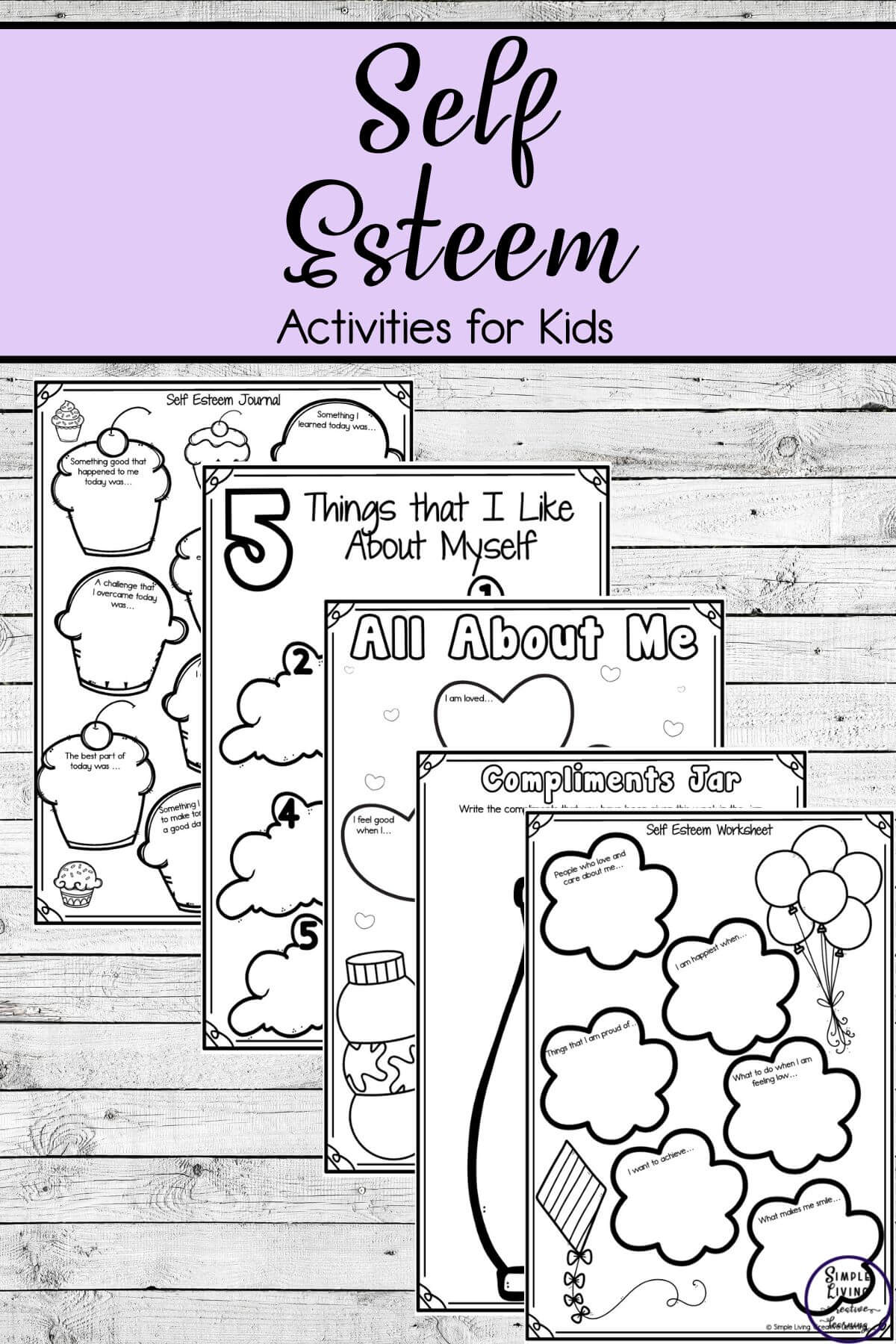
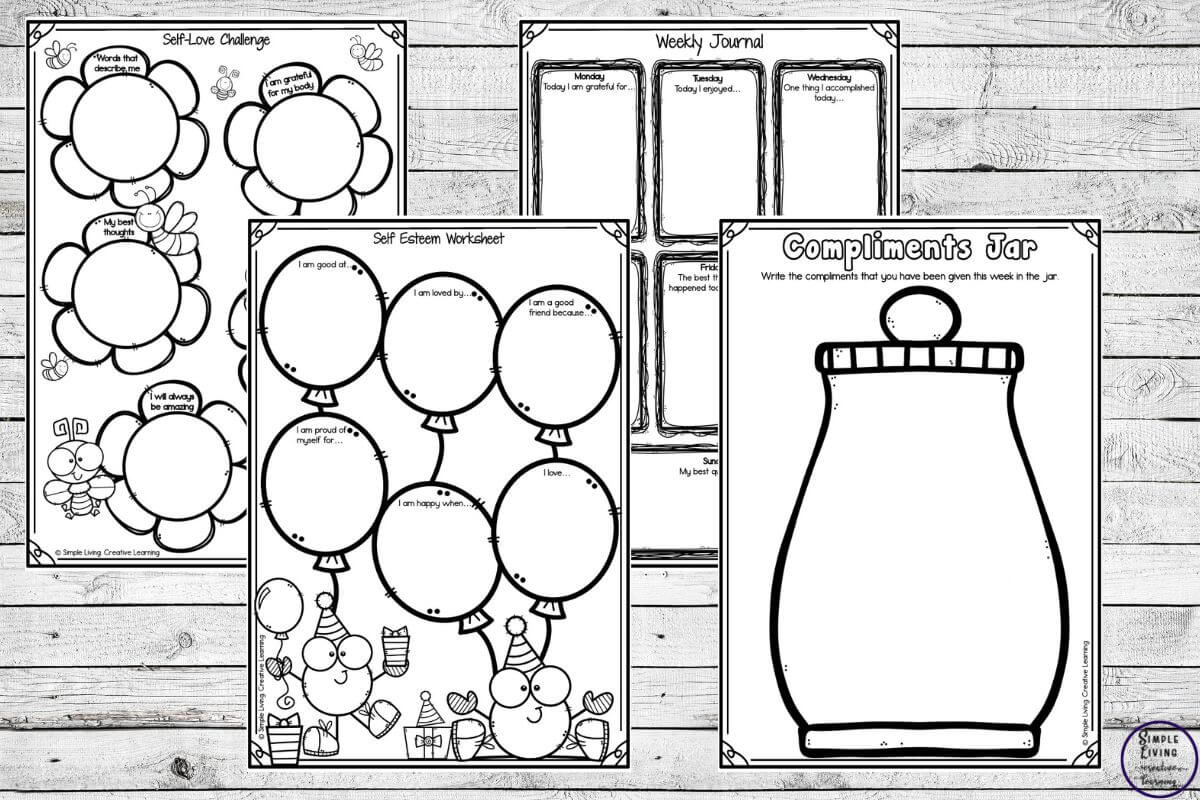
In this printable pack, you will find eight pages of printable activities that can help children build self esteem.
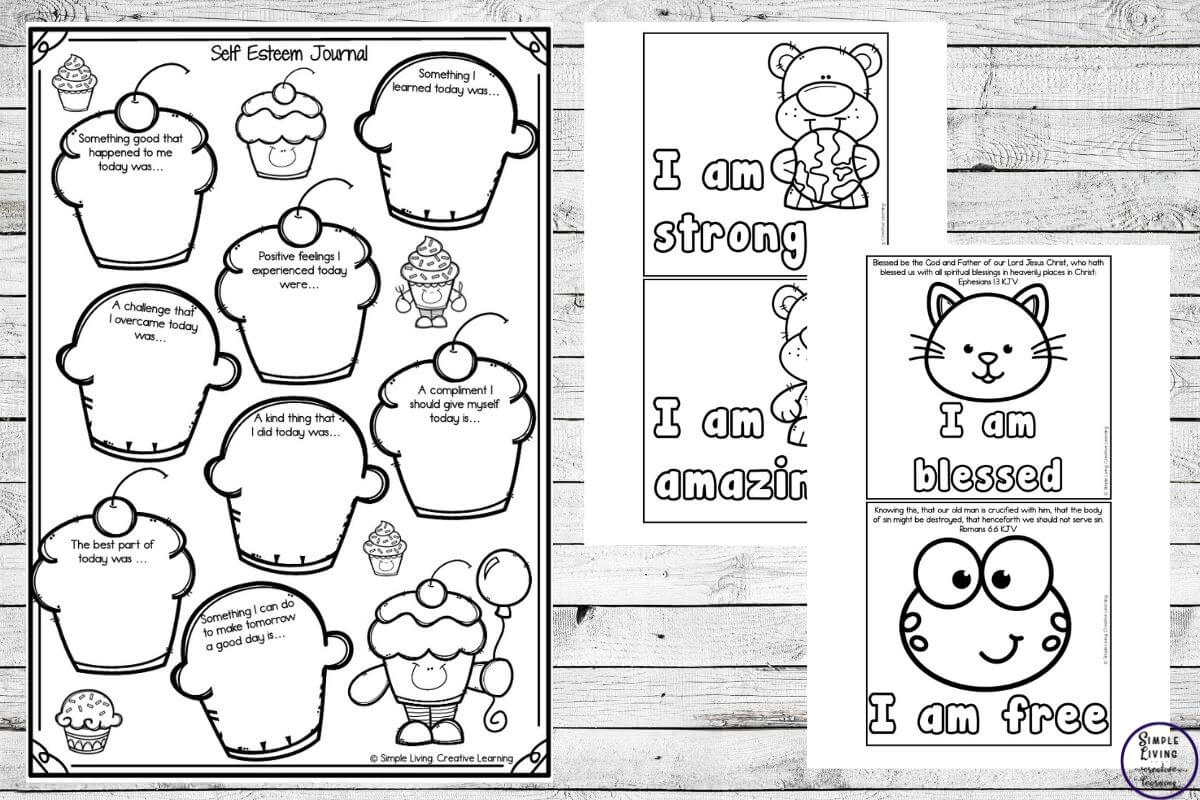
There are also 10 pages of affirmation cards that children can decorate and then laminate and use when needed.
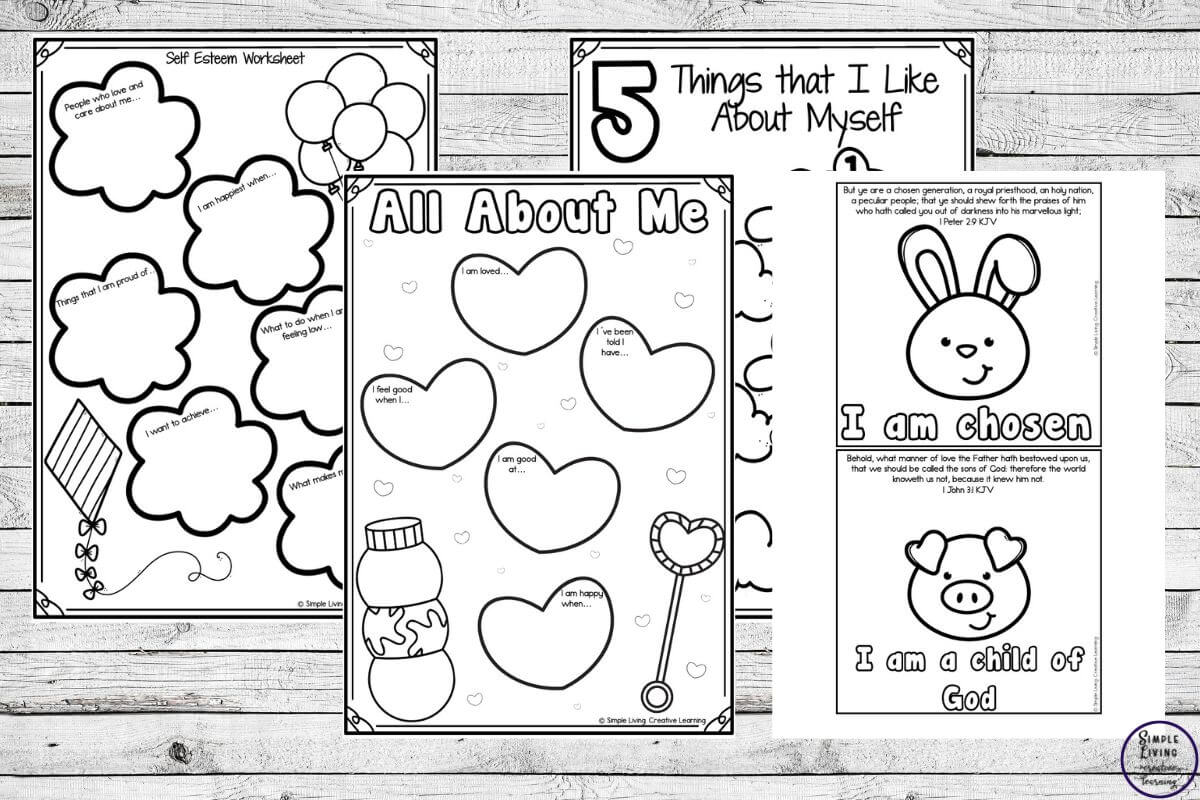
The cards with the verses come in both the King James Version and the American Standard Version.
To grab a copy of these printables, sign up below:
 Homemade Herbal Antibiotic Ointment